
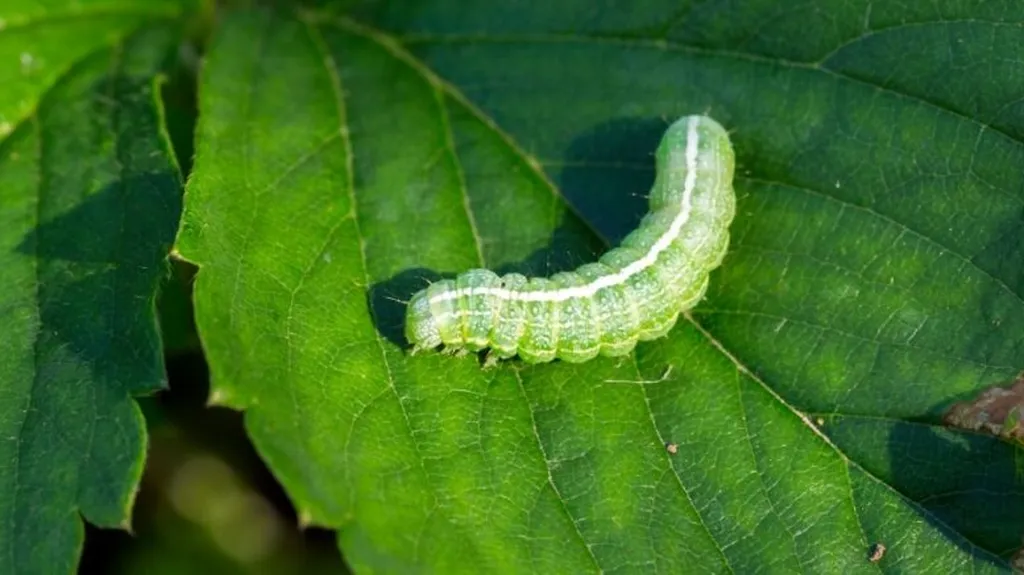
In the heart of Brazil’s soybean fields, a silent battle rages between the crop and its lepidopteran foes. These caterpillars, including species like Anticarsia gemmatalis and Spodoptera, can wreak havoc on yields, causing substantial losses for farmers. Traditional chemical controls have proven inadequate and environmentally harmful, while even transgenic Bt soybeans show limited efficacy against some pests. However, a new review published in *Frontiers in Plant Science* offers a glimmer of hope, highlighting the potential of soybean’s natural chemical defenses to combat these pests.
The review, led by Josicleia Oliveira Costa from the Institute of Chemistry of São Carlos at the University of São Paulo, delves into the intricate world of soybean’s secondary metabolites. These compounds, including flavonoids, phenolics, tannins, and volatile organic compounds, act as nature’s pest repellents and toxins. “Understanding these chemical interactions is crucial for developing more tolerant and sustainable soybean cultivars,” Costa emphasizes.
The research underscores the importance of integrating these natural defenses into Integrated Pest Management (IPM) strategies. Certain soybean genotypes, such as IAC 100, PI 227687, and PI 227682, have shown remarkable resistance to multiple caterpillar species. These genotypes could serve as valuable resources for breeding programs, offering a more sustainable alternative to chemical insecticides.
The commercial implications of this research are significant. By reducing dependency on insecticides, farmers could lower production costs and minimize environmental impact. Moreover, the development of more resilient soybean varieties could enhance global food security, as soybean plays a pivotal role in protein and lipid production.
Looking ahead, the integration of omics technologies, bioinformatics, and biotechnology could accelerate the identification and utilization of these defense mechanisms. “Future perspectives emphasize the need for a comprehensive understanding of the metabolic pathways involved,” Costa notes. This could lead to the creation of soybean varieties that are not only resistant to pests but also adaptable to changing environmental conditions.
As the agricultural sector grapples with the challenges of sustainability and productivity, this research offers a promising avenue for innovation. By harnessing the power of natural resistance, farmers and scientists alike can work towards a future where soybean fields thrive, unburdened by the scourge of lepidopteran pests.