
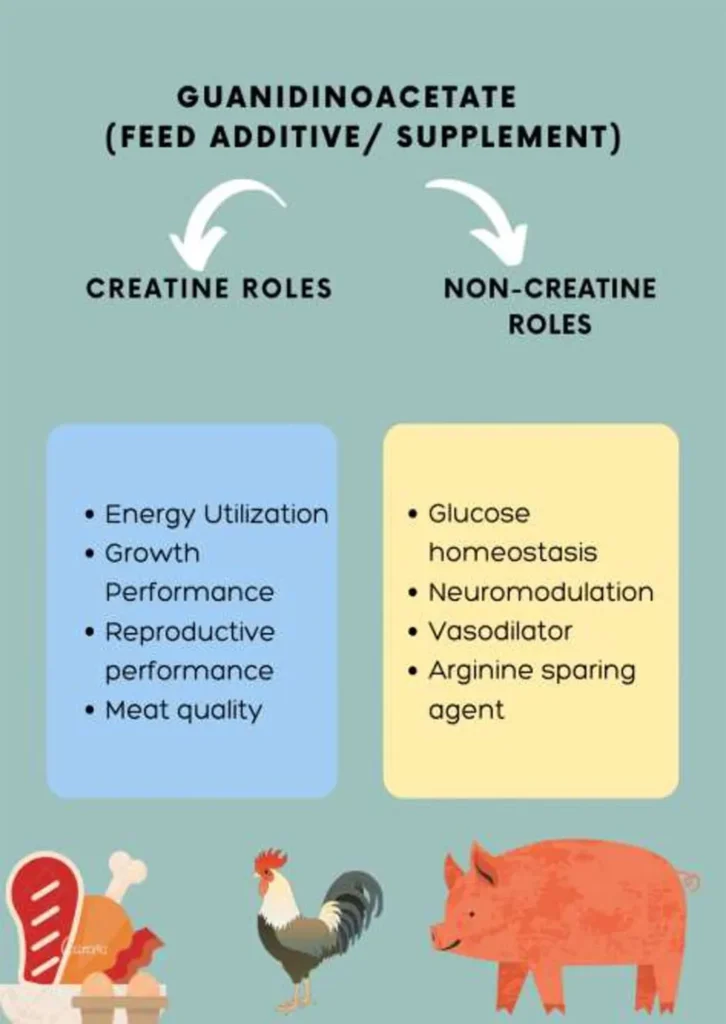
In the quest to improve broiler chicken production, researchers have made a significant stride in understanding how to reduce abdominal fat deposition, a persistent challenge in the poultry industry. A recent study published in *Frontiers in Veterinary Science* sheds light on the role of guanidinoacetic acid (GAA) in regulating fat metabolism through microRNAs (miRNAs), offering promising insights for farmers and agribusinesses alike.
Excessive fat accumulation in broilers is more than just a cosmetic issue; it directly impacts feed efficiency and meat quality, cutting into profits for poultry producers. To tackle this problem, researchers led by Mengqian Liu from the College of Animal Science and Technology at Yunnan Agricultural University conducted a detailed analysis of how GAA influences gene expression in adipose tissue. By comparing broilers treated with GAA to a control group, the team identified 46 differentially expressed miRNAs, which play a crucial role in regulating lipid metabolism.
The study’s findings suggest that GAA works by upregulating specific miRNAs, namely gga-miR-103-3p and gga-miR-107-3p, which in turn inhibit genes like stearoyl-CoA desaturase (SCD) and transmembrane protein 35B (TMEM35B). These genes are closely linked to fat deposition and lipid oxidation. “Our research indicates that GAA not only reduces fat accumulation but also promotes lipid oxidation, which could lead to leaner, higher-quality meat,” Liu explains. This discovery could revolutionize how poultry farmers manage feed supplements, potentially leading to more efficient and sustainable production practices.
The commercial implications of this research are substantial. By optimizing fat deposition, producers could enhance feed conversion ratios, reduce costs, and improve the overall quality of broiler meat. “This study provides a strong theoretical foundation for applying GAA in poultry diets to improve growth performance and meat quality,” Liu adds. The findings could also pave the way for further research into miRNA-based interventions in livestock, opening new avenues for precision agriculture.
As the agriculture sector continues to seek innovative solutions to meet growing global demand for protein, this research offers a compelling example of how biotechnology can drive efficiency and sustainability. While the study is a step forward, it also highlights the need for further exploration into the broader applications of miRNA regulation in animal husbandry. The future of poultry farming may well hinge on such cutting-edge discoveries, shaping a more productive and environmentally friendly industry.