
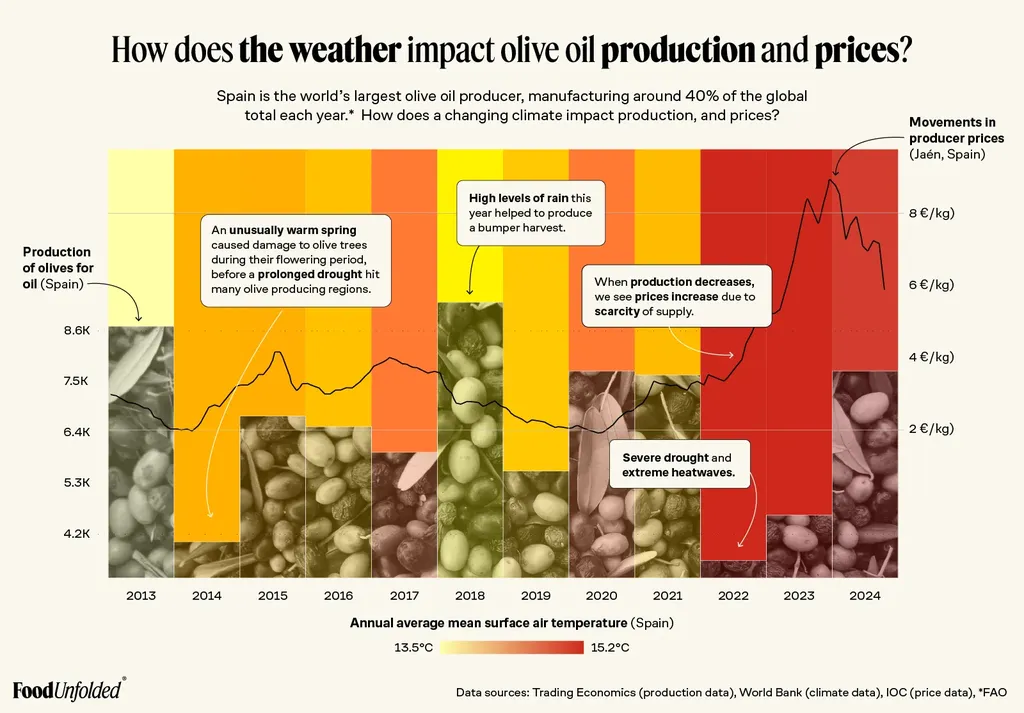
In the heart of the global fruit industry, a silent storm is brewing, and it’s not the kind that brings rain. Climate change is reshaping the landscape of fruit production, and farmers are feeling the heat. A recent study published in the *International Journal of Minor Fruits, Medicinal and Aromatic Plants* sheds light on these challenges and offers a glimpse into the future of resilient fruit farming.
The study, led by Jitendra Chaurasia, identifies the primary culprits behind the disruptions in fruit production: rising temperatures, shifting precipitation patterns, and an increase in extreme weather events. These changes are not just inconveniences; they are significant obstacles that threaten the livelihoods of farmers and the stability of the fruit market.
“Temperature changes are causing phenological stages to be disrupted,” Chaurasia explains. “This results in a mismatch in the timing of blooming and pollination, which reduces fruit set and yield.” In simpler terms, the delicate dance between flowers and pollinators is falling out of sync, leading to fewer fruits and lower quality produce.
The commercial impacts of these changes are profound. Farmers are facing reduced yields and lower-quality fruits, which can lead to decreased profits and market instability. The study highlights that changes in precipitation patterns affect soil moisture availability, making plants more vulnerable to pests and diseases. This not only affects the health of the crops but also increases the cost of pest management.
Extreme weather events, such as storms and floods, can physically damage trees, reducing their ability to produce fruit and even killing them. The financial implications for farmers can be devastating, with the loss of entire orchards in severe cases.
However, the study is not all doom and gloom. It also explores adaptable solutions that the fruit sector is implementing to combat these challenges. The development of climate-resilient cultivars, the application of advanced irrigation methods, and the improvement of pest and disease management procedures are all steps in the right direction.
Precision agricultural technologies are also playing a crucial role. By utilizing remote sensing and data analytics, farmers can optimize resource allocation and enhance crop management decisions. This not only improves the resilience of fruit plants but also increases the efficiency and sustainability of farming practices.
The research by Chaurasia and his team is a wake-up call for the agricultural sector. It underscores the urgent need for adaptive strategies to mitigate the impacts of climate change on fruit production. As the global population continues to grow, the demand for fruits and other agricultural products will only increase. Ensuring the resilience of fruit plants is not just about protecting farmers’ livelihoods; it’s about securing the future of food security.
The study’s findings are a call to action for policymakers, researchers, and farmers to collaborate and innovate. By embracing new technologies and sustainable practices, the fruit industry can adapt to the changing climate and continue to thrive. The future of fruit production lies in resilience, and the journey towards it starts with understanding and addressing the challenges posed by climate change.
As the agricultural sector grapples with these issues, the insights from this research will undoubtedly shape future developments in the field. The path forward is clear: adapt, innovate, and persevere. The fruits of these efforts will be a more resilient and sustainable agricultural industry, capable of weathering the storms of climate change.