
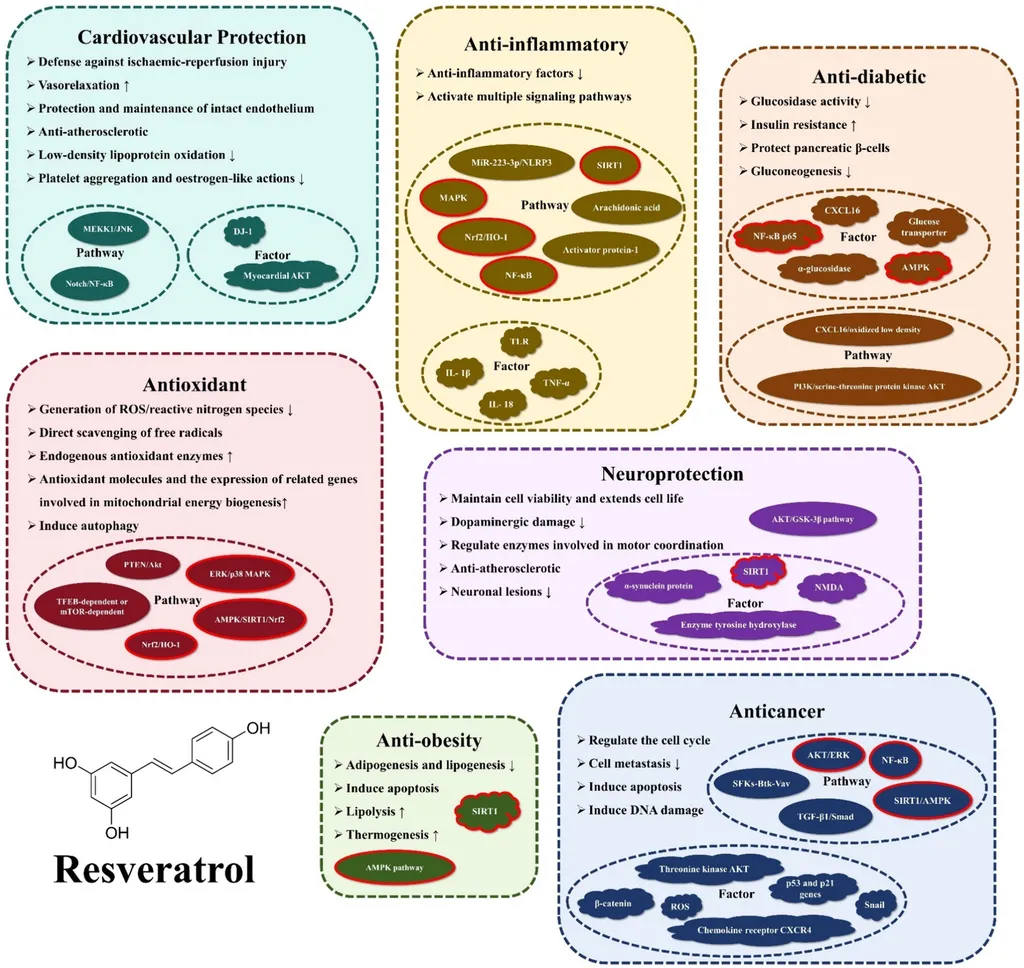
In the world of plant biochemistry and natural product chemistry, few names resonate as profoundly as Professor Philippe Jeandet. His recent passing leaves a void, but his legacy of groundbreaking research continues to inspire and shape the field. Jeandet’s work, particularly his exploration of stilbenoids and resveratrol, has opened new avenues for both agricultural and medical research, with potential commercial impacts that could redefine how we approach plant-based treatments and crop resilience.
Jeandet’s fascination with resveratrol, a stilbene found in various plants, was driven by its wide range of biological activities. His research delved into the chemical structure of natural products and their bioactivity, uncovering the potential of combining pharmacological treatments with natural products of plant origin. This interdisciplinary approach has made significant contributions to the treatment of various diseases, bridging the gap between traditional medicine and modern pharmacology.
One of the most intriguing aspects of Jeandet’s work was his exploration of the hormesis phenomenon—the idea that low doses of substances that are toxic at high levels can actually have beneficial effects. This concept has profound implications for agriculture, where understanding how plants respond to stress factors could lead to more resilient crops. “The key is to understand the delicate balance between stress and benefit,” Jeandet once noted, highlighting the nuanced nature of his research.
Beyond his work on resveratrol, Jeandet also made significant contributions to the understanding of sugar signaling in plants. His research on how plants respond to abiotic and biotic stress factors, as well as the role of signaling molecules in fruit development, has provided valuable insights into plant physiology. These findings could revolutionize agricultural practices, enabling farmers to cultivate crops that are better equipped to handle environmental stresses, from drought to pest infestations.
The commercial impacts of Jeandet’s research are far-reaching. In the medical field, his work on the bioactivity of natural products has paved the way for the development of new treatments that are both effective and derived from sustainable sources. In agriculture, his insights into plant signaling and stress responses could lead to the development of crops that require fewer pesticides and fertilizers, reducing environmental impact and increasing yield.
Jeandet’s legacy is not just in his scientific achievements but also in his approach to research. He was known for his dedication and respect for the work of others, fostering a collaborative environment that has left a lasting influence in the field. As the world continues to grapple with the challenges of climate change and food security, his work serves as a beacon, guiding researchers towards innovative solutions that harness the power of natural products.
Published in the journal ‘BioTechnologia’, the article “In Memoriam: Professor Philippe Jeandet – an outstanding scientist and his legacy in natural product chemistry and bioactivity” was authored by Iwona Morkunas of the Department of Plant Physiology at the Poznań University of Life Sciences. This tribute not only honors Jeandet’s contributions but also underscores the importance of his research in shaping the future of agriculture and medicine. As we look to the future, Jeandet’s work reminds us of the potential that lies in the intersection of biology, chemistry, and technology, offering hope for a more sustainable and healthier world.