
In a groundbreaking study published in *The EMBO Journal*, researchers have uncovered a novel mechanism that could reshape our understanding of DNA methylation and its implications for agriculture. The study, led by Xin-Hui Chen from the Biomedicine Research Center at Guangzhou Medical University, reveals how the protein YTHDF3 recognizes and binds to DNA N6-methyladenine (6mA), an emerging epigenetic mark in the mammalian genome. This discovery could have significant implications for crop improvement and agricultural biotechnology.
DNA methylation, a process where methyl groups are added to DNA, plays a crucial role in gene regulation and development. However, the dynamics of 6mA, a specific type of DNA methylation, have remained largely enigmatic. Previous research has shown that the enzyme ALKBH1 can remove 6mA from single-stranded DNA but not from double-stranded DNA (dsDNA), which is the predominant form in living cells. This discrepancy has puzzled scientists, as ALKBH1 still effectively reduces 6mA levels in genomic DNA.
The new study sheds light on this puzzle by demonstrating that YTHDF3 enhances ALKBH1’s ability to demethylate 6mA in various DNA conformations, including dsDNA. “YTHDF3 acts as a guide, recognizing 6mA in genomic DNA and recruiting ALKBH1 to the site,” explains Chen. “This facilitates the removal of 6mA, even in double-stranded DNA, where it was previously thought to be inactive.”
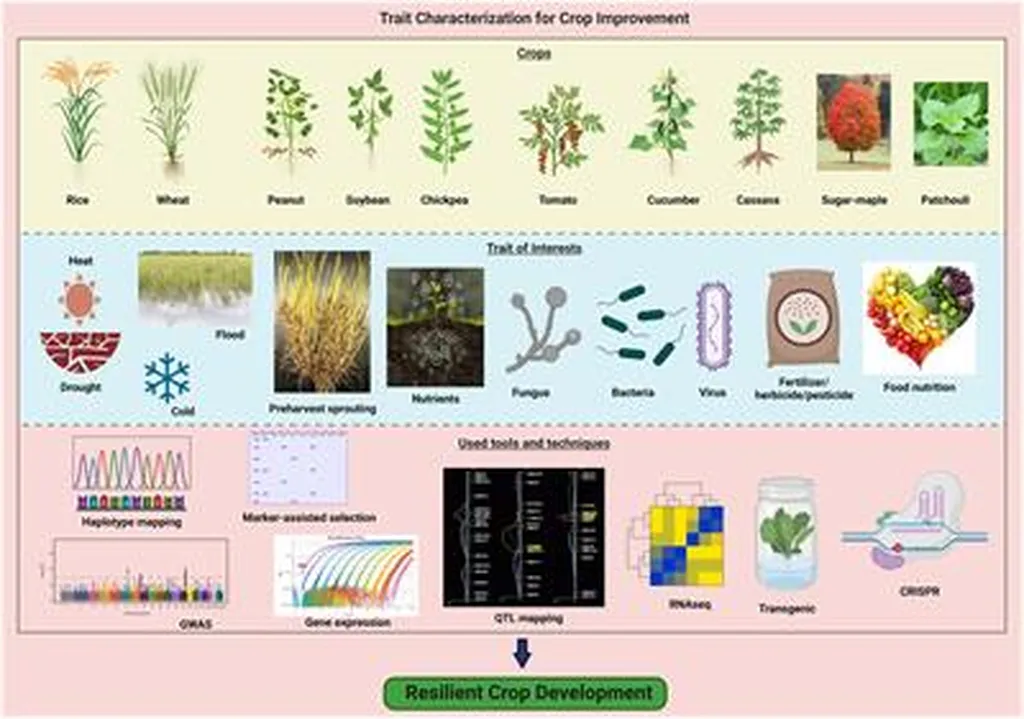
The implications of this discovery for agriculture are profound. Epigenetic modifications like 6mA play a critical role in plant development, stress responses, and adaptation to environmental changes. Understanding how YTHDF3 and ALKBH1 interact to regulate 6mA levels could lead to the development of crops with enhanced resilience to environmental stressors, improved yield, and better nutritional profiles.
“By manipulating these epigenetic mechanisms, we could potentially create crops that are more adaptable to changing climates and resistant to diseases,” says Chen. This could revolutionize agricultural practices, making them more sustainable and productive in the face of global challenges like climate change and food security.
The study also opens up new avenues for research in the field of agritech. Scientists could explore the potential of YTHDF3 and ALKBH1 as tools for precision breeding, enabling the development of crops with specific desirable traits. Additionally, understanding the role of 6mA in plant genomes could lead to the discovery of new epigenetic markers that could be targeted for crop improvement.
As the agricultural sector continues to grapple with the challenges posed by a changing climate and a growing global population, the insights provided by this study offer a glimmer of hope. By harnessing the power of epigenetics, we could unlock the potential of our crops, ensuring a more secure and sustainable future for all. The research, led by Xin-Hui Chen from the Biomedicine Research Center at Guangzhou Medical University, was published in *The EMBO Journal*, marking a significant step forward in our understanding of DNA methylation and its applications in agriculture.