
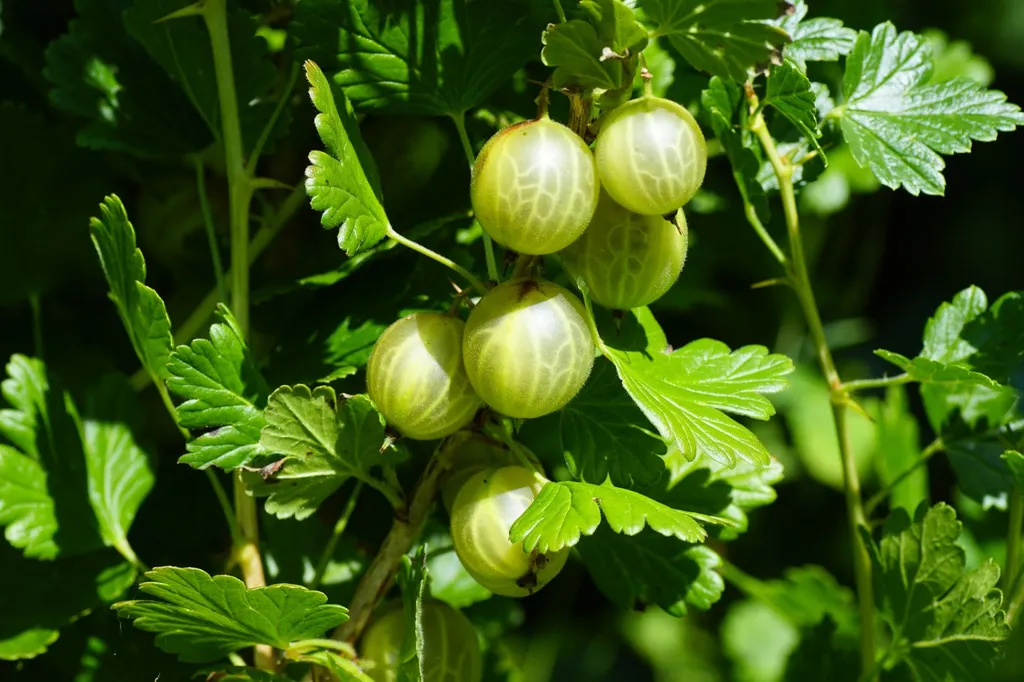
In the heart of South Korea, researchers have unearthed a promising discovery that could reshape the agricultural and health sectors. Scientists at the Research Institute of Tailored Food Technology at Kyungpook National University, led by Thao Quyen Cao, have identified galloylated phenolics from the Indian gooseberry (Phyllanthus emblica L.) that exhibit significant inhibitory effects on Protein Tyrosine Phosphatase 1B (PTP1B). This enzyme is a key player in metabolic regulation, making the findings particularly relevant for combating metabolic disorders like diabetes and obesity.
The study, published in the esteemed journal ‘ACS Omega’, delves into the intricate chemistry of the Indian gooseberry, a fruit long revered in traditional medicine but now gaining traction in modern scientific research. The galloylated phenolics, a class of compounds known for their potent antioxidant properties, have shown remarkable efficacy in inhibiting PTP1B. This enzyme is crucial in regulating glucose metabolism, and its inhibition has been a focal point in the development of treatments for metabolic syndromes.
“Our findings suggest that these compounds could be harnessed to develop novel therapeutic agents,” Cao explained. “The potential to derive such beneficial compounds from a widely available and sustainable source like the Indian gooseberry is particularly exciting.”
The implications for the agriculture sector are profound. The Indian gooseberry, already a staple in many tropical and subtropical regions, could see a surge in demand as a cash crop. Farmers might find new economic opportunities in cultivating this fruit, not just for traditional markets but also for the burgeoning health and pharmaceutical industries. This could lead to increased investment in agricultural practices, research, and infrastructure, particularly in regions where the fruit is native.
Moreover, the study opens avenues for further research into the bioactive compounds of other underutilized fruits and plants. “This discovery is just the tip of the iceberg,” Cao noted. “There’s a wealth of untapped potential in the plant kingdom, and our research underscores the importance of exploring these natural resources.”
The commercial impact extends beyond agriculture. The pharmaceutical industry could benefit from the development of new drugs derived from these natural compounds, offering more sustainable and potentially safer alternatives to synthetic medications. The food industry might also explore the incorporation of these compounds into functional foods and dietary supplements, catering to the growing consumer demand for natural health products.
As the world grapples with the rising prevalence of metabolic disorders, the findings from this research offer a glimmer of hope. The Indian gooseberry, once a humble fruit, now stands at the forefront of a potential revolution in health and agriculture. The journey from traditional medicine to modern science is a testament to the enduring value of nature’s bounty and the transformative power of scientific inquiry.