
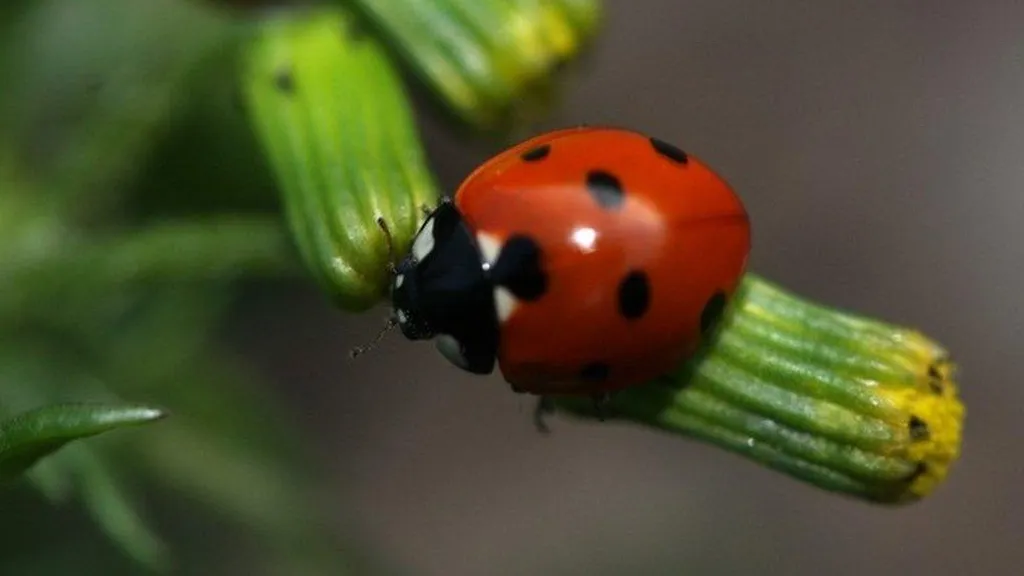
In the quest to balance agricultural productivity with environmental sustainability, researchers are turning to nature’s own pest controllers: predatory ladybirds. A recent study published in the *Egyptian Journal of Biological Pest Control* delves into the intricate factors that influence the survival of these beneficial insects, offering valuable insights for the agriculture sector.
Predatory ladybirds, such as *Coccinella transversalis*, *Cheilomenes sexmaculata*, and *Harmonia axyridis*, are well-known for their role in suppressing pest populations. However, their effectiveness as biocontrol agents is not solely dependent on their natural predatory instincts. The study, led by Nadia Nisha Musa from the Faculty of Applied Sciences at Universiti Teknologi MARA, Perak Branch, Tapah Campus, explores a complex interplay of behavioral, ecological, and agricultural factors that shape their survival and efficacy.
One of the key findings highlights the significance of habitat complexity. “Ladybirds thrive in diverse and complex habitats,” Musa explains. “These environments provide them with ample hiding spots and prey, enhancing their survival rates and, consequently, their pest control capabilities.” This insight underscores the importance of crop diversity and habitat management in agricultural practices.
The study also sheds light on the impact of agricultural practices, comparing organic and conventional farming systems. It reveals that cropland heterogeneity and organic farming practices can foster ladybird populations, contributing to more sustainable pest management strategies. “Organic farming systems, with their emphasis on biodiversity and reduced chemical inputs, create a more hospitable environment for ladybirds,” Musa notes.
Moreover, the research delves into the role of symbiotic interactions, including ectoparasites and soil fungi, which can either aid or hinder ladybird survival. Understanding these interactions can help farmers and agronomists develop more targeted and effective pest control strategies.
The implications of this research are significant for the agriculture sector. By optimizing habitat conditions and farming practices, farmers can enhance the effectiveness of ladybirds as biocontrol agents, reducing the need for chemical pesticides and promoting more sustainable agricultural practices. This aligns with the principles of Integrated Pest Management (IPM), which emphasizes the use of multiple pest control strategies to minimize environmental impact.
As the global population continues to grow, the demand for sustainable and efficient agricultural practices will only increase. This study provides a crucial step towards understanding and harnessing the power of natural predators in pest control. By integrating these findings into agricultural practices, the sector can move towards a more sustainable future, ensuring food security while preserving the environment.
In the words of Musa, “This research is not just about understanding ladybirds; it’s about creating a harmonious balance between agriculture and nature.” As the agriculture sector continues to evolve, the insights from this study will undoubtedly shape future developments in pest management and sustainable farming practices.