
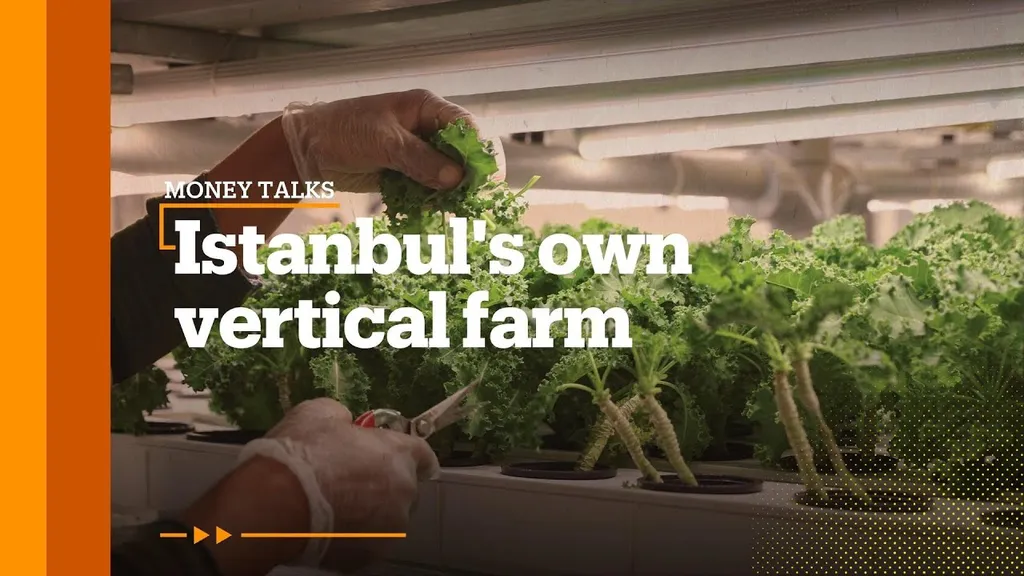
In the heart of Turkey, a quiet revolution is taking root, one that promises to reshape the way we think about agriculture. Vertical farming, or “dikey tarım” as it’s known locally, is gaining traction as a viable solution to the challenges posed by traditional farming methods. A recent study published in the *Düzce University Faculty of Forestry Journal of Forestry* delves into the intricacies of this innovative approach, shedding light on its potential to transform the agricultural sector.
Vertical farming is not just a buzzword; it’s a practical response to the pressing needs of urbanization and sustainability. By integrating farming into urban landscapes, this method aims to bring food production closer to consumers, reducing transportation costs and carbon footprints. The study, led by Bora Bingöl, explores the various systems that make up vertical farming, including aeroponics, aquaponics, and hydroponics, all of which operate without the need for traditional soil.
“The beauty of vertical farming lies in its adaptability,” says Bingöl. “It can be implemented in abandoned buildings, on rooftops, or even in specially designed skyscrapers. This flexibility allows us to utilize spaces that would otherwise go unused, turning them into productive agricultural hubs.”
The commercial implications of this shift are profound. Urban vertical farms can supply fresh produce to local markets year-round, ensuring a steady supply regardless of seasonal changes. This consistency can stabilize prices and reduce the volatility that often plagues the agriculture sector. Additionally, the controlled environments of vertical farms minimize the need for pesticides and herbicides, leading to healthier produce and lower operational costs.
Moreover, vertical farming addresses the critical issue of water usage. Traditional agriculture is notoriously water-intensive, but vertical farming systems like hydroponics and aquaponics use up to 90% less water. This efficiency is a game-changer in regions facing water scarcity, offering a sustainable alternative that doesn’t compromise on yield.
The study also highlights the potential for vertical farming to create new job opportunities. As the technology becomes more mainstream, there will be a growing need for skilled labor to manage and maintain these systems. This could lead to the development of new educational programs and training initiatives, further bolstering the agricultural workforce.
Looking ahead, the research suggests that vertical farming could play a pivotal role in achieving sustainable development goals. By reducing the environmental impact of food production and enhancing food security, it offers a pathway to a more resilient and equitable future.
As the world grapples with the challenges of climate change and urbanization, vertical farming stands out as a beacon of innovation. The insights provided by Bora Bingöl and the team at *Düzce University Faculty of Forestry Journal of Forestry* underscore the transformative potential of this approach, paving the way for a new era in agriculture. The question now is not whether vertical farming will take off, but how quickly the industry can adapt to this exciting new frontier.