
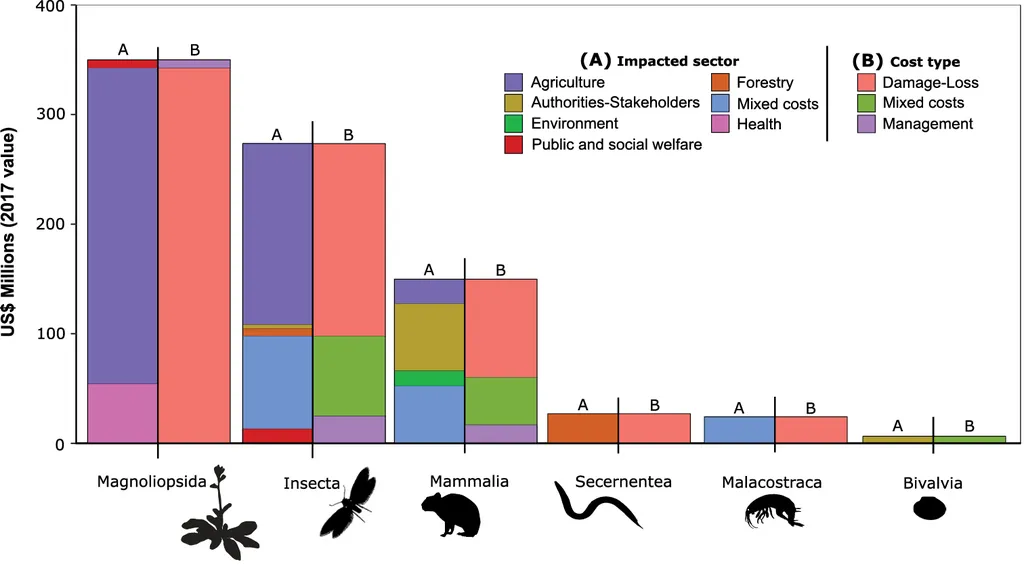
In the ongoing battle against invasive species, a group of Italian researchers has charted a course for more effective research and management strategies. Their work, published in *NeoBiota*, offers a roadmap that could significantly impact agriculture and other sectors grappling with the economic and ecological fallout of non-indigenous species (NIS).
The study, led by Ernesto Azzurro of the National Biodiversity Future Center in Palermo, brought together 90 researchers from terrestrial, freshwater, and marine ecosystems. Their goal? To identify and evaluate best practices for NIS research. Through a structured, interactive process, they pinpointed six key strategies, collectively known by the acronym TRACKS:
1. **Tracking NIS in biodiversity data collection**: Integrating NIS data into broader biodiversity monitoring efforts.
2. **Reference protocols for NIS data collection**: Standardizing methods to ensure consistency and comparability.
3. **Active participation**: Engaging stakeholders, including farmers and local communities, in data collection and management.
4. **Collaboration and FAIR principles**: Fostering partnerships and adhering to Findable, Accessible, Interoperable, and Reusable data principles.
5. **Knowledge hub for NIS data**: Creating centralized repositories for NIS data to facilitate sharing and analysis.
6. **Strategic communication**: Developing targeted communication strategies to disseminate findings and engage the public.
The researchers then subjected these practices to a SWOT analysis, evaluating their Strengths, Weaknesses, Opportunities, and Threats. The results revealed a strong consensus among experts about the potential of these strategies. “There’s a general optimism about the opportunities and strengths associated with implementing these good practices,” Azzurro noted.
For the agriculture sector, the implications are substantial. Invasive species cost the global economy hundreds of billions of dollars annually, with agriculture bearing a significant portion of this burden. By improving data collection, standardization, and collaboration, the TRACKS framework could enhance early detection and rapid response efforts, potentially mitigating these costs.
Moreover, the emphasis on active participation and strategic communication could help bridge the gap between researchers and farmers. As Azzurro explained, “Engaging stakeholders in data collection and management can lead to more effective and sustainable solutions.”
The study also highlights the importance of collaboration and data sharing. By adhering to FAIR principles and creating knowledge hubs, researchers can pool resources and expertise, accelerating progress in the field.
Looking ahead, the TRACKS framework offers a valuable benchmark for advancing the science of biological invasions. As the research community worldwide grapples with the challenges posed by NIS, this Italian-led initiative provides a beacon of hope and a practical guide for action.
Published in *NeoBiota* and led by Ernesto Azzurro of the National Biodiversity Future Center in Palermo, this research underscores the power of collective effort and structured approaches in tackling one of the most pressing environmental and economic challenges of our time.